
The JFK & Marilyn Monroe Mysteries
A paranormal Investigation
This True Ghost Story presents the findings from a recent paranormal investigation I conducted in a guest bedroom of my home in Nova Scotia, Canada.
The assassination of President John F. Kennedy and the mysterious death of Marilyn Monroe have fascinated the world for more than sixty years. On October 30, 2026, I explored both mysteries during a live paranormal investigation using my Geoport. What did the recordings reveal, and how did some of the responses connect to historical events, FBI files, and decades of controversy?
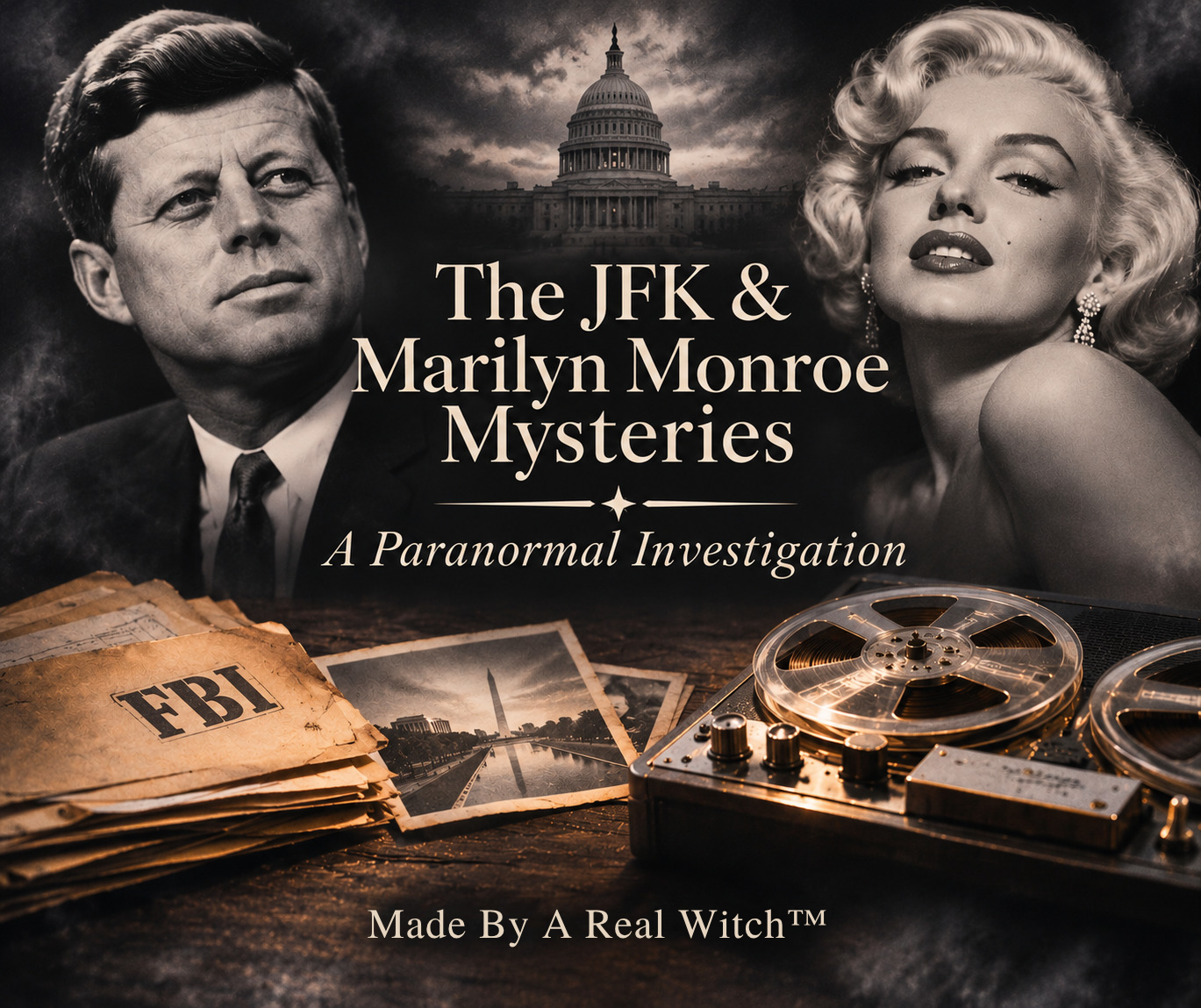
The JFK & Marilyn Monroe Mysteries: A Paranormal Investigation
Two famous names. A series of questions. And recordings that led me down some rather unexpected historical rabbit holes.
On October 30, 2026, I hosted a Facebook Live session using my Geoport, with the intention of attempting communication with two of the most recognizable figures of the twentieth century: President John F. Kennedy and Marilyn Monroe.
Both died more than sixty years ago, under circumstances that have inspired countless books, investigations, documentaries, and conspiracy theories.
I had prepared questions for each of them. Some concerned their personal lives and accomplishments. Others addressed the circumstances surrounding their deaths.
What followed was an interesting evening.
It is often difficult to distinguish exactly what is being said through the Geoport in real time. Throughout the Live, audience members and I occasionally discussed words or phrases we thought we had heard, but most couldn't be confirmed afterward when I reviewed the recordings.
During the Live, I placed a second recording device directly beside the Geoport's speaker. Later, I listened through noise-cancelling headphones, repeatedly rewinding sections to establish what was said.
I omitted questions where I could not identify a response or where the words were too unclear to transcribe confidently. I also left out responses that appeared unrelated to the questions being asked.
What follows is a collection of my findings, transcribed directly from the recordings. These are the words I heard during my careful review, not interpretations or suggestions offered by viewers or myself during the broadcast.
I cannot confirm who or what produced these voices. I'm simply sharing what I recorded and the unexpected historical connections I discovered while investigating some of the responses.
Part One: President John F. Kennedy
A President and an Unsolved Controversy
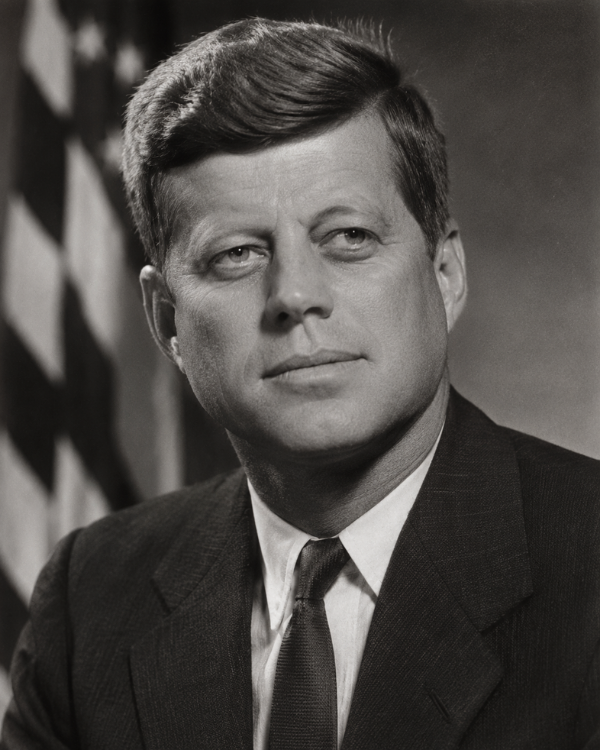
*AI-generated artistic portrait of President John F. Kennedy. Not an original historical photograph.
I began by asking:
Me: President Kennedy, are you here with us this evening?
Recorded responses:
Female voice: "John Kennedy."
Male voice: "It's a big mystery."
Male voice: "Guilty."
Female voice: "Investigate."
It was an interesting beginning, particularly considering the subject of the evening.
President Kennedy was assassinated in Dallas, Texas, on November 22, 1963. Although Lee Harvey Oswald was identified as the assassin, questions about the circumstances of Kennedy's death have persisted for decades.
The Warren Commission concluded in 1964 that Oswald acted alone. In 1979, however, the House Select Committee on Assassinations concluded that Kennedy was probably assassinated as the result of a conspiracy, although it could not identify another gunman or establish the extent of any conspiracy.
The committee's conclusion relied partly on acoustic evidence that was subsequently challenged.
It remains one of the most extensively examined assassinations in modern history.
I continued with some questions unrelated to his death.
Me: What is your fondest memory of growing up in Massachusetts?
Recorded response:
Male voice: "Birthing him."
My next question concerned his presidency.
Me: What was your proudest accomplishment during your presidency?
Recorded responses:
Male voice: "Apartment ?"
Male voice: "Heading to work."
The word "Apartment" was followed by a letter, possibly B, D, or E, although I couldn't determine which.
It seemed an odd answer to a question about presidential accomplishments.
When I investigated, however, I discovered that Kennedy maintained multiple private accommodations away from the White House, including a suite at New York's Carlyle Hotel.
The Carlyle became known as the "New York White House" because of his visits. Stories concerning his private activities there have also become part of Kennedy folklore.
Was the voice referring to one of those accommodations? I couldn't say. Nevertheless, it was an unexpected answer that led me to an interesting piece of presidential history.
Questions About His Children
Me: Do you have a favourite memory of spending time with your children?
Recorded responses:
Male voice: "Tentative. Relax."
Female voice: "We were all drinking coke."
Male voice: "He was self-serving."
I searched for a connection to the reference about drinking Coke but couldn't establish one or find a historical photograph.
The responses also seemed to shift in tone and perspective. Some sounded conversational, while others appeared to be comments about someone rather than answers from the person being addressed.
That distinction became increasingly noticeable as the evening progressed.
Who Fired the Fatal Shot?
I then turned to the assassination.
Me: Do you know who fired the fatal shot that took your life in Dallas?
Recorded responses:
Male voice: "Freaking deadly."
Female voice: "We should tell them..."
Male voice: "how he did it."
I followed with a more direct question.
Me: Was Lee Harvey Oswald responsible for your assassination?
Recorded responses:
Female voice: "Help."
Female voice: "He's a bastard."
Male voice: "Murder."
Male/female voice: "Pop."
The word pop mimicked the sound of a gun being fired.
Me: There's a lot of controversy around that.
Additional recorded responses:
Male voice: "100%."
Male voice: "Bring him on back."
Male voice: "Betrayal."
Female voice: "He lost."
Female voice with an accent: "They hid it."
The words "Betrayal" and "They hid it" were particularly interesting.
Kennedy's assassination has generated decades of allegations involving organized crime, intelligence agencies, political enemies, foreign governments, and possible efforts to conceal information.
Some of those allegations have been investigated extensively. Others remain speculation.
November 22, 1963
Me: Is there something important about November 22, 1963, that the public still doesn't know?
Recorded responses:
Male voice: "Sniff backwards."
Male voice: "Hearing."
Female voice: "Two weeks of..." followed by words I couldn't determine.
Female voice: "Mid-morning."
I found no convincing historical connection to these particular phrases.
When I addressed President Kennedy again, I heard:
Male voice: "I'm ready."
Male voice: "Meant what I said."
The Conversation Turns to Marilyn Monroe
I then asked about Marilyn Monroe, whose death on August 5, 1962, had occurred a little more than a year before Kennedy's assassination.
Me: Do you know what happened to Marilyn Monroe on the night she died?
Recorded responses:
Male voice: "To Marilyn."
Male voice: "Who told you?"
Male voice: "The 22."
Female voice: "Don't cry."
Male voice: "He was shot."
Female voice: "A memo."
Female voice: "Who wants some?"
Female voice: "In person."
Male voice: "Guilty."
"The 22" was an interesting response, given that Kennedy was assassinated on November 22. However, I found no particular connection between that number and the circumstances of Monroe's death. I suspect "The 22," along with some of the other responses, may have been delayed answers to my previous question.
The reference to a memo also caught my attention, considering the considerable volume of documents and allegations associated with both historical figures.
Me: There's a lot of interaction here
Recorded response:
Female voice: "Accident."
I then addressed Kennedy again.
Me: President Kennedy, if you're here, do you believe Marilyn's death was...
Male voice: "Accident."
Me: ...accidental, or was someone else involved?
Additional recorded responses:
Very soft female voice: "Still free."
Female voice: "Handkerchief."
Female voice: "Wait here first."
Female voice: "What happened?"
The repeated word "Accident" was worth investigating.
Monroe's death was officially classified as a probable suicide resulting from an overdose of sedative medication.
However, in 1982, the Los Angeles County District Attorney's Office reviewed the circumstances of her death. Investigators concluded that the evidence was compatible with either suicide or accidental overdose, while finding no credible evidence supporting a murder theory.
Final Questions for President Kennedy
Me: President Kennedy, is there something about your life that you wish people would remember more often?
Recorded response:
Male voice: "He was his father."
Kennedy's father, Joseph P. Kennedy Sr., was a prominent businessman, diplomat, and influential figure in the family's political ambitions.
When I thanked President Kennedy, acknowledging that I couldn't know whether he had actually communicated, a male voice said:
"Presidency."
Me: Before we finish do you have one final message for us?
Recorded responses:
Female voice: "Enchanted."
Male voice: "Here."
Male voice: "I'm gonna take care of him."
Male voice: "Bring him back."
That concluded the first part of the evening.
The next session would produce several responses that led me into some rather unexpected corners of Marilyn Monroe's history.
Part Two: Marilyn Monroe
Before I Asked the First Question
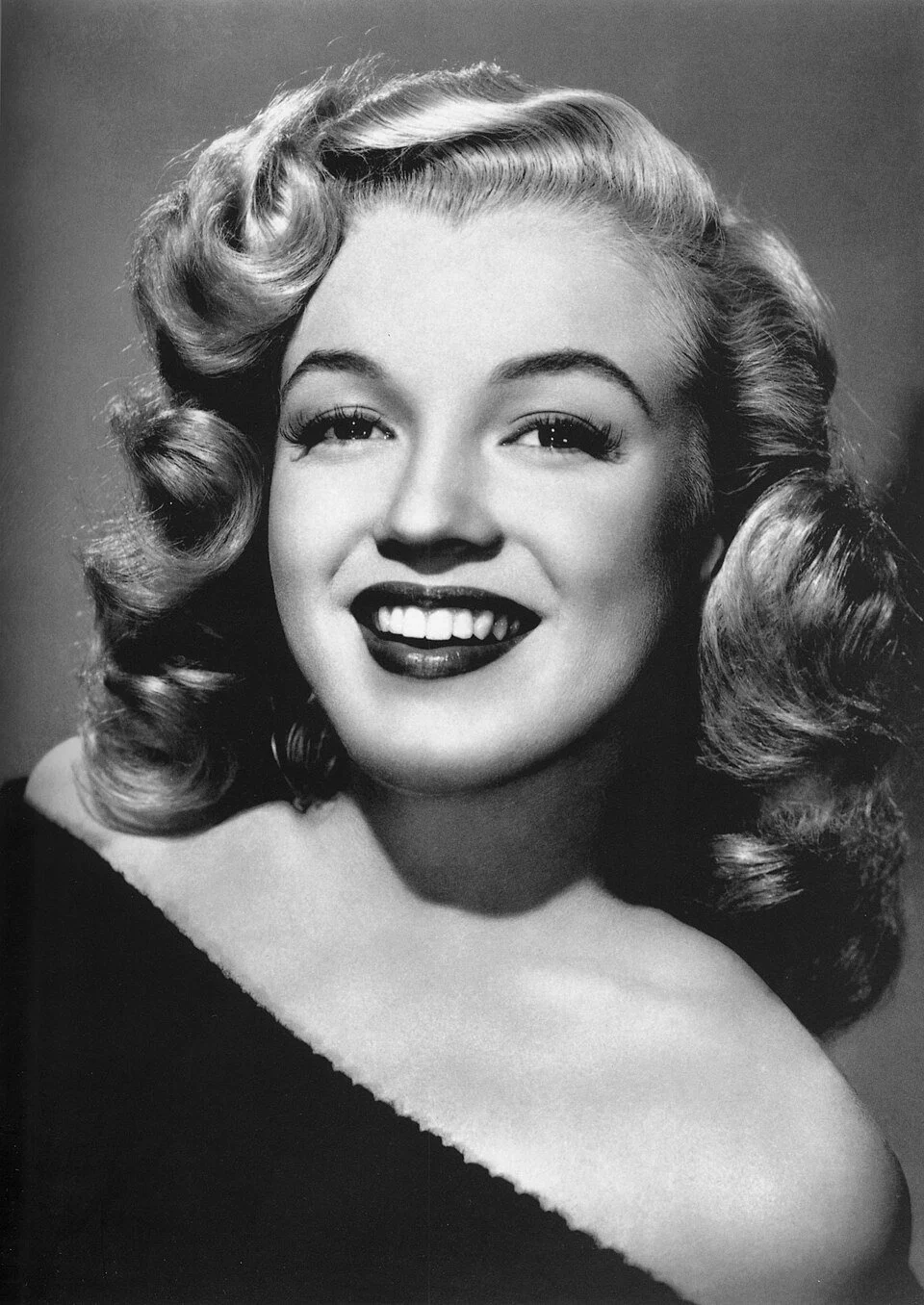
*Marilyn Monroe, 1950s. Photographer unknown. Public-domain (CC0) image via Wikimedia Commons.
One of the more interesting aspects of the Marilyn Monroe session occurred before I had even begun speaking.
As soon as the Geoport was turned on, I began receiving responses:
Female voice: "Marilyn."
Female voice: "Who's gonna talk?"
Male voice: "How do I help 'em?"
Male voice: "See what you've done."
Male voice: "Confess it."
Male voice: "Heroin."
Male voice: "Hand cold."
The appearance of the name "Marilyn" was certainly interesting, particularly because I had not yet addressed her.
The references to confession and drugs were also striking in the context of the questions I intended to ask.
Marilyn Monroe was found dead at the age of 36 on August 5, 1962, in the bedroom of her Brentwood, California, home. Her death has remained the subject of intense public interest, partly because of her celebrity, her connections to influential people, and disagreements about the circumstances of her final hours.
Singing, Dancing, and the Mashed Potato
Me: Marilyn Monroe, are you here with us this evening?
Recorded responses:
Female voice: "To hear you."
Male voice: "Antidote."
Male voice: "Crazy."
I decided to begin with something lighthearted.
Me: Did you enjoy singing as much as acting?
Recorded responses:
Male voice: "It was pretty fun."
Female voice: "Good luck."
Female voice: "Mashed Potato."
That last response made me smile.
The Mashed Potato was a popular dance associated with the early 1960s. James Brown recorded Mashed Potatoes U.S.A. in 1959, and the dance became a nationwide craze around 1962—the year Monroe died.
It was a curious cultural reference from her era, although I found no evidence that the response referred to a particular experience in her life.
Personal Questions
Me: Was there someone who truly understood you?
Recorded response:
Female voice: "It's personal."
The words began before I had finished asking the question.
I then asked whether she had ever wished to leave Hollywood behind for a quieter life.
Recorded response:
Female voice: "I didn't."
Monroe's relationship with fame was complicated. She wanted greater control over her career and to be taken seriously as an actress, but the response itself offered little that could be independently examined.
Then came a more unusual exchange.
Me: Marilyn, if you're here is there something about the real Norma Jean that you wish people knew?
Male: Wished
It sounded as though I had been corrected.
A second male response followed:
"It was her fat nose."
I thought that was an odd message - so I decided to investigate.
When I researched Monroe's appearance and medical history, I discovered that she had undergone cosmetic procedures early in her career, including work involving her chin and nose.
Medical records and accounts concerning those procedures became public decades after her death.
The Night Marilyn Monroe Died
I then moved to the circumstances surrounding her death.
Me: Marilyn, if you're here with us, do you remember what happened on the night of August 4, 1962?
Recorded responses:
Female voice: "To heaven."
Male voice: "Car Thief."
Male voice: "Andy."
The words "Car Thief" and "Andy" led me into a particularly unusual line of research.
I encountered a story claiming that a black Lincoln Continental associated with Monroe disappeared around the time of her death. Some versions suggest that the vehicle had been borrowed by Monroe from a friend the night before she died and was delivered to a mechanic and destroyed by an unnamed man following the discovery of her body.
I couldn't establish that this incident actually occurred. I found no reliable police theft report or independently verified documentation supporting the story.
I could not establish a reliable historical connection to anyone named Andy.
"Benjamin First"
Me: Marilyn, during the final hours of your life, were you alone?
Recorded responses:
Female voice: "Benjamin."
Male voice: "Benjamin first."
The repetition of the name interested me.
One historical connection was Ben Lyon, the 20th Century-Fox executive who helped launch Norma Jean's film career in 1946 and played an important role in establishing her professional name, Marilyn Monroe.
That connection is well documented.
However, I found no evidence that Lyon was with Monroe during her final hours.
I also considered whether the word might have some relationship to Benzedrine, an amphetamine medication commonly referred to as "Bennies" during the mid-twentieth century.
Monroe's history of prescription medication is well known, but I could not establish that "Benjamin" was intended as a reference to Benzedrine or that this interpretation had any connection to her final evening.
The name remained intriguing, but unresolved.
Accident or Something Else?
Me: Was your death an accident?
Recorded responses:
Female voice: "Accidental."
Male voice: "They don't know."
Once again, the subject of an accidental death had appeared.
As I discovered during my research, Monroe's official death classification was probable suicide, but the 1982 review acknowledged that an accidental overdose was also consistent with the evidence.
I continued.
Me: Was another person involved in the circumstances surrounding your death?
Recorded responses:
Female voice: "A murder town."
Male voice: "Bob Kennedy."
Male voice: "Did you beat her?"
The name "Bob Kennedy" immediately stood out.
Robert F. Kennedy, President Kennedy's younger brother, was the United States Attorney General at the time of Monroe's death.
For decades, rumours have circulated about a possible personal relationship between Robert Kennedy and Monroe, along with allegations that he visited her Brentwood home shortly before she died.
Some conspiracy accounts also describe a police officer stopping a speeding vehicle allegedly carrying Robert Kennedy and his brother-in-law, actor Peter Lawford, near Monroe's home in Brentwood, California, on the night she died.
Some accounts go even further, suggesting he was directly involved in the circumstances of her death.
These allegations have never been substantiated. The Los Angeles County District Attorney's 1982 investigation found no credible evidence supporting a murder theory.
Nevertheless, the name was an interesting response to hear during that particular question.
The FBI Files: Another Layer of Mystery
Something else that I found particularly fascinating was that the FBI had maintained files on Marilyn Monroe.
These weren't simply stories circulating through Hollywood. Monroe had attracted the attention of federal authorities during the Cold War, particularly because of her political associations and connections to individuals considered politically controversial at the time.
The files contained references to rumours involving Robert Kennedy and allegations surrounding Monroe's death.
In 2012, additional material from her FBI files became available with fewer redactions, bringing renewed attention to the government's interest in the actress.
The existence of these records doesn't establish that the allegations were true. I simply find the layers and connections to be interesting.
I asked whether a name could be provided.
Me: If yes, can you give us their name?
Recorded responses:
Male voice: "I'm the one who came in."
Male voice: "Tampering."
Male voice: "Valium."
A Window, a Doctor, and Questions About Evidence
The phrase "I'm the one who came in" led to another historical connection.
On the night Monroe died, her psychiatrist, Dr. Ralph Greenson, was reportedly summoned to her Brentwood home after her housekeeper became concerned.
Greenson entered Monroe's locked bedroom by breaking a window. Her physician, Dr. Hyman Engelberg, also attended.
The word "Tampering" led into another area of controversy.
Over the decades, questions have been raised about the handling of evidence, the timeline of events, and whether items were moved or removed from Monroe's bedroom.
Claims involving missing documents, altered evidence, and possible interference have featured prominently in conspiracy literature.
These allegations should not be confused with established findings of criminal activity.
The reference to "Valium" was also worth checking.
Monroe's fatal overdose involved pentobarbital, marketed as Nembutal, and chloral hydrate. Valium was not identified among the substances responsible for her death.
The drug's commercial history also makes it an uncertain connection to the events of August 1962.
"Amphetamine"
I asked another question.
Me: Was there something about your death that was never made public?
Recorded responses:
Male voice: "Didn't open it."
Male voice: "Amphetamine."
Female voice: "Careless."
Male voice: "Business."
Monroe's history of prescribed medications, including sedatives and stimulants, has been extensively discussed by biographers.
However, the substances identified in the fatal toxicology findings were not amphetamines.
The response had a broad historical association with her medical history, but I couldn't establish a connection to something undisclosed about her death.
President Kennedy and the Birthday Celebration
I then asked a question that brought the two sessions together.
Me: Marilyn, did you know President John F. Kennedy personally?
Recorded responses:
Female voice: "I did."
Male voice: "How dare you."
Female voice: "Treason."
Female voice: "Cage."
Male voice: "Sex and bling."
Male voice: "Her trust."
Male voice: "She didn't."
Male voice: "Ask the chef."
Male voice: "Attention."
Female voice: "Celebration."
Male voice: "Doin' it again."
Male voice: "Give a little love."
The word "Celebration" was particularly interesting.
On May 19, 1962, Marilyn Monroe famously performed Happy Birthday, Mr. President at Madison Square Garden in New York City during a birthday celebration and Democratic Party fundraiser for Kennedy.
Photographs and archival records confirm that both attended the event.
Rumours about a romantic relationship between Monroe and Kennedy have circulated ever since, although the nature and extent of their private relationship remain disputed.
The combination of "Attention," "Celebration," and the other responses made me wonder whether the birthday event was being referenced.
A Surprising Reference to Art
As the session neared its conclusion, I asked a question unrelated to Monroe's death.
Me: Marilyn, what would you most like people to remember about you?
Recorded responses:
Male voice: "Drawing fish."
Male voice: "Simple girl."
Female voice: "Remember."
"Drawing fish" was unexpected.
My research revealed that Monroe had a genuine interest in visual art. She pursued art studies at UCLA in the 1950s and produced many drawings and sketches of her own.
Although I found no documented connection to a particular drawing of a fish, the reference led me to an aspect of her life that is often overshadowed by her Hollywood career.
Monroe was considerably more than the glamorous image that made her famous. She was curious, ambitious, interested in literature and art, and determined to develop her abilities.
Perhaps that was the most interesting discovery to emerge from this particular question.
The Final Exchanges
I thanked Marilyn for the opportunity to attempt communication.
Recorded responses:
Female voice: "See ya."
Female voice: "Happy wink."
I then expressed my hope that she was well and at rest on the other side.
Recorded responses:
Male voice: "See ya."
Female voice: "Hey don't stop."
Finally, I announced that we were ending the session.
Recorded responses:
Male voice: "I'm proud of you."
Male voice with a British accent: "Good job."
Those final words caught my attention for a different reason.
My parents were British. My father passed away in 2012. Hearing what sounded like a British accent made me wonder if a family member or two might have been present.
What Did We Hear That Evening?
When I began reviewing the recordings from October 30, I wasn't expecting to spend so much time researching American history.
Some responses seemed relevant to the questions I had asked. Others were unexpected, contradictory, or apparently unrelated.
Certain words led to documented historical details: John F Kennedy's private accommodations, Monroe's cosmetic procedures, rumours surrounding Robert Kennedy (John Kennedy's younger brother), Ben Lyon's role in her career, her artistic interests, and the famous presidential birthday celebration.
Other responses led into the considerably murkier territory of rumours, disputed accounts, and conspiracy theories.
And some led nowhere at all.
What made the experience interesting wasn't that every response could be explained. It was the process of following those responses, investigating possible connections, and discovering where the research took me.
I cannot establish the identities of the voices heard during either session. Nor can I determine whether the historically relevant responses were meaningful communications, coincidences, or products of the Geoport's audio.
I can only share what I recorded, what I heard during my subsequent review, and what I discovered afterward.
The recordings remain saved, and the questions remain open.
What do you make of the responses? Were there particular words or historical connections that caught your attention?
Sometimes the most interesting part of an investigation isn't finding an answer.
It's discovering how many questions remain.
Blessings, friends. 🤍
Made By A Real Witch™
Historical References and Further Reading
The following sources provide historical background for several of the events and controversies discussed in this investigation.
U.S. National Archives: House Select Committee on Assassinations — Summary of Findings.
https://www.archives.gov/research/jfk/select-committee-report/summary.htmlJohn F. Kennedy Presidential Library and Museum: Happy Birthday, Mr. President!
https://jfk.blogs.archives.gov/2020/05/21/happy-birthday-mr-president/Los Angeles Times: Why Marilyn Monroe's Sudden Death Still Evokes Mystery, Questions 60 Years Later.
https://www.latimes.com/california/story/2022-08-04/marilyn-monroe-overdose-death-suicide-accident-hollywood-1962-kennedyLos Angeles Times: Marilyn Monroe Mystery Persists: 23 Years After Her Death, Questions Continue to Generate Controversy.
https://www.latimes.com/archives/la-xpm-1985-09-29-me-18753-story.htmlFederal Bureau of Investigation (FBI): Marilyn Monroe — FBI Records (The Vault).
https://vault.fbi.gov/Marilyn%20MonroeLos Angeles Times: FBI Examined Theories About Marilyn Monroe's Death, Files Show.
https://www.latimes.com/archives/blogs/la-now/story/2012-12-28/fbi-examined-theories-about-marilyn-monroes-death-files-show
The Geoport responses quoted in this article are the author's transcriptions from a separately recorded audio session conducted during a Facebook Live broadcast on October 30, 2026. Historical associations are presented for interest and context, not as verification of the identity of any speaker or of disputed allegations.
All original written content © Made By A Real Witch™.
Copyright © 2026 Ashley Wong
All Rights Reserved
Were you among the audience members who watched my paranormal investigation of John F. Kennedy and Marilyn Monroe unfold live? What are your thoughts on the responses recorded during the Geoport sessions? Did any of the words or historical connections stand out to you?
What do you think happened to each of them at the time of their deaths?
I'd love to hear your thoughts. Feel free to leave a comment below.
